
 Italiano
 Français
 Deutsch
 Español
 日本語
日本語 한국어
한국어 Português

Wheelchairs: Practical Tips
Wheelchair Rental Rome Italy | VemRent Guide
Wheelchairs for people with disabilities are essential tools that allow millions of people around the world to move with greater freedom and independence. If you’re researching wheelchair rental Rome Italy or looking to purchase the right mobility aid for everyday life, understanding the different types and features available is the first step toward making an informed decision. Their importance cannot be overstated, as they play a crucial role in improving the quality of life for people with mobility impairments, enabling them to participate actively in social and professional life. Orthopedic wheelchairs are designed to meet specific needs for comfort, safety, and functionality, adapting to a wide range of individual requirements. Furthermore, advances in technology have led to increasingly sophisticated and customizable models, making a broad range of options available to suit every situation.

The market offers several types of wheelchairs for people with disabilities, each with specific characteristics designed to address particular needs. From ultra-lightweight wheelchairs, ideal for those seeking maneuverability and ease of transport, to power wheelchairs that provide independence over longer distances. The wide availability of essential accessories, such as pressure-relief cushions and posture supports, also allows users to further personalize their wheelchair for optimal comfort.
Purchasing a wheelchair for a person with a disability requires careful evaluation of the user’s personal needs and the specific features required. It is essential to consider factors such as the user’s weight, the intended type of use (indoors or outdoors), and any environmental limitations of the surrounding space. It is also important to compare prices across wheelchairs for seniors and people with disabilities available on the market to find the most suitable solution without overlooking budget constraints.
In summary, wheelchairs for people with disabilities are not merely useful tools — they are genuine pillars of daily life for their users. A thoughtful choice can make all the difference in ensuring a more autonomous and fulfilling life. With the advancement of assistive technologies and growing awareness of the needs of wheelchair users, increasingly innovative solutions are on the horizon that will further support the social inclusion of people with disabilities.
Types of Wheelchairs for People with Disabilities
Wheelchairs for people with disabilities are a fundamental mobility aid for improving independence and daily quality of life for those with mobility challenges. There are several types of wheelchairs, each designed to meet specific needs and personal preferences. Among the most common are manual wheelchairs, which require pushing by the user or a companion, and are generally lighter and easier to maneuver. These are ideal for individuals who have adequate upper-body strength and want to maintain active control of their own mobility.
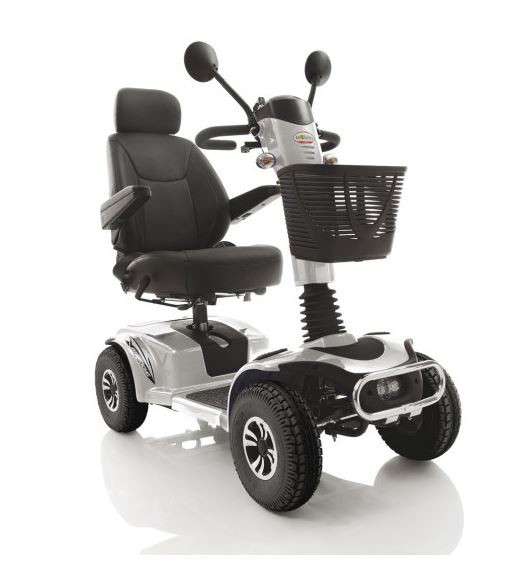
Power wheelchairs, on the other hand, are equipped with motors that allow movement without physical effort from the user. They are particularly well-suited for those who do not have sufficient upper-body strength or who need to cover longer distances. These models offer a range of additional functions, such as speed adjustment and joystick control, making them extremely versatile.
There are also folding wheelchairs, designed to be easily transported and stored when not in use. Their lightweight and compact structure makes them perfect for travel or frequent trips by car. For people with specific requirements, orthopedic wheelchairs provide additional postural support and comfort through ergonomic seating and customizable adjustments.
Finally, sports wheelchairs are designed specifically for physical activities or athletic competitions. They feature an aerodynamic design and advanced materials that ensure lightness and durability, enabling high performance in terms of speed and maneuverability.
When choosing the most suitable wheelchair, it is crucial to consider the individual user’s needs — such as residual mobility level, intended use (indoor or outdoor), and personal preferences regarding comfort and style. An expert consultant can help evaluate all of these variables and ensure a well-informed and effective decision.
How to Choose a Wheelchair
Knowing how to choose a wheelchair is a fundamental process that requires careful evaluation of individual needs and the specific characteristics of each model. First and foremost, it is important to consider the type of use: a wheelchair for daily activities will have different requirements than one designed for sports or outdoor use. Orthopedic wheelchairs, for example, offer special support for users with particular postural needs, while ultra-lightweight models may be better suited for those who require greater agility and ease of transport.
Another critical factor is the size of the wheelchair. It must be proportionate to the user’s body to ensure comfort and safety. Seat width, depth, and back height must be adequate to provide the right support without restricting movement. Additionally, the weight of the wheelchair can significantly affect ease of handling; lighter options are often preferred by those who frequently need to transport the chair or navigate environments with obstacles.
The adaptability of the wheelchair is another factor not to be overlooked. Many models offer adjustable components such as footrests, armrests, and backrests, allowing users to personalize their experience according to their specific needs. Some essential accessories may include pressure-relief cushions to help prevent pressure sores, or advanced suspension systems to absorb impact on uneven surfaces.
Finally, the cost of wheelchairs for people with disabilities can vary significantly depending on the features offered and the materials used in their construction. It is advisable to compare different models and also consider after-sales support and the long-term availability of spare parts. Consulting qualified dealers can help users obtain personalized guidance and test different options before making a purchase.
In summary, choosing the right wheelchair means finding a balance between functionality, comfort, and budget — ensuring it effectively meets the everyday needs of the user and meaningfully improves their quality of life.
Features of Ultra-Lightweight Wheelchairs
Ultra-lightweight wheelchairs represent an ideal solution for those seeking a device that is not only functional but also easy to handle and transport. These wheelchairs are built with cutting-edge materials such as aluminum and carbon fiber, which offer excellent structural strength while keeping weight to a minimum. The lightness of these models does not compromise durability or safety, making them suitable even for users with specific mobility and independence needs.
Another key feature of ultra-lightweight wheelchairs is their ease of use. Thanks to their ergonomic design, these wheelchairs offer superior comfort compared to traditional models. Padded and adjustable seating provides an optimal sitting position, reducing the risk of fatigue during extended use. Many ultra-lightweight wheelchairs also feature reclining backrests and adjustable footrests, customizable to suit individual needs.
Maneuverability is a further advantage of ultra-lightweight wheelchairs. The front and rear wheels are engineered for smooth, precise rotation, facilitating movement even in confined spaces. This makes these wheelchairs especially suitable for daily use in both indoor and outdoor environments. Some models also include the option to add anti-tip wheels for greater stability on uneven terrain.
In terms of portability, ultra-lightweight wheelchairs are extremely practical. Many models feature folding mechanisms that minimize bulk, making them easy to store in a car trunk or take along while traveling. If you’re looking for the best wheelchair for travel, a lightweight folding model is often the top recommendation from mobility specialists. This aspect is especially appreciated by individuals who lead active lifestyles and need a wheelchair that can keep up with their pace.
Finally, ultra-lightweight wheelchairs often offer the option of aesthetic customization with various colors and finishes, allowing users to express their personal style without sacrificing functionality. In summary, these wheelchairs represent a perfect combination of lightness, comfort, and versatility, making them a preferred choice for many wheelchair users seeking maximum possible independence.
Essential Wheelchair Accessories
When selecting a wheelchair for a person with a disability, accessories play a fundamental role in enhancing the comfort and functionality of the device. Among the most important accessories are pressure-relief cushions, which are designed to help prevent pressure sores and increase user comfort. These cushions can be made from foam, gel, or air, each with unique properties that adapt to the specific needs of different users.
Another essential accessory is the adjustable headrest, which provides additional support for the head and neck — especially on wheelchairs used for extended periods. In addition, padded and adjustable armrests can significantly improve user comfort, offering support and making it easier to transfer in and out of the wheelchair.
For those who use their wheelchair outdoors, anti-tip wheels are a critical accessory that increases stability on uneven ground. These supplementary wheels help prevent accidental backward tipping. Additionally, cup holders or bottle holders mounted to the frame provide a convenient everyday solution for keeping drinks within easy reach.
Equally important is the addition of bags or pouches that attach to the wheelchair. These accessories provide extra space for safely and comfortably transporting personal belongings. Finally, the installation of LED lights can improve visibility during evening or nighttime outings, thereby increasing the user’s safety.
Investing in the right accessories not only enriches the experience of using an orthopedic wheelchair but also helps promote the user’s independence. It is important to consult professionals who specialize in wheelchairs for people with disabilities to select the accessories best suited to individual needs and ensure a more comfortable and efficient daily life.
Read also: Wheelchairs for Home Use