
 Italiano
 Français
 Deutsch
 Español
 日本語
日本語 한국어
한국어 Português

Wheelchairs: Practical Tips
How to Choose a Wheelchair for Travel | VemRent
Choosing the right wheelchair for a trip is very different from choosing one for everyday use at home. On the road you have to think about airports and trains, hotel lifts, uneven pavements, and how easily the chair folds into a car boot. This guide walks you through how to choose a wheelchair that genuinely fits your journey — so you can explore with confidence instead of fighting your equipment.

Start With How You’ll Travel
Before comparing models, picture your trip. Will you be flying, taking trains, or moving mainly on foot around a historic city centre? How far can the user self-propel, and how much help will a companion provide? A short city break and a two-week multi-stop tour call for very different chairs. The single most useful question is this: who will be pushing, and over what kind of ground?
Manual, Transit, or Electric?
Travellers generally choose between three types of wheelchair:
- Self-propelled manual wheelchair — large rear wheels the user turns by hand. Best for those with good upper-body strength who want independence, with push handles for a companion when needed.
- Transit (attendant-propelled) wheelchair — smaller wheels, always pushed by a companion. Lighter and 3–4 inches narrower, it folds small and is the classic travel wheelchair for tight lifts and car boots.
- Electric / power wheelchair — motor-driven with a joystick, ideal for long sightseeing days and users who can’t self-propel. Heavier, but folding travel models now load into a car and cope well with cobblestones.
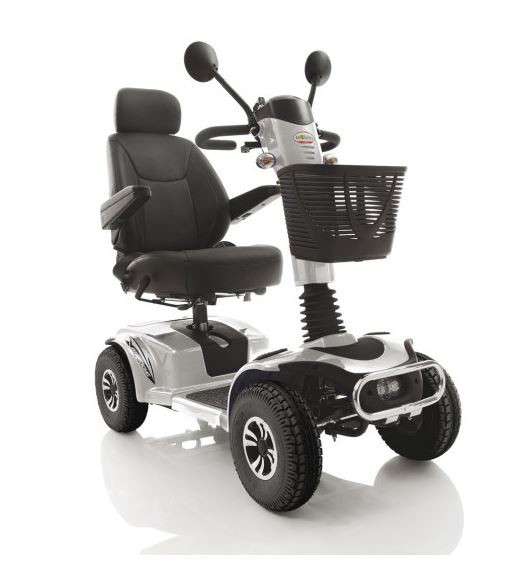
If you’re weighing a scooter instead, see our guide to the best mobility scooters for travel.
Get the Size Right
A poorly sized chair can ruin a trip. Seat width is the key measurement: too narrow is painful, too wide removes support. Adult seats generally run from about 15 to 20 inches. Measure the user’s hip width while seated, or give the supplier the user’s height and weight. Most standard chairs carry up to roughly 250–265 lbs (115–120 kg); bariatric models extend to 440 lbs (200 kg) with wider seats. Also check the folded width against typical European lifts, which are often narrower than travellers expect.
Match the Chair to the Terrain
Historic cities are hard on wheels. Rome’s sampietrini cobblestones, sloping approaches and museum thresholds reward solid tyres, a sturdier frame and — for powered chairs — a decent climbing gradient. Lightweight indoor chairs with small castors struggle here. If your itinerary is mostly historic centre, favour a robust travel chair or a four-wheel powered setup.
Features Worth Having on the Road
- Folding, lightweight frame — the difference between an easy taxi transfer and a daily struggle.
- Flip-back or swing-away armrests — make sideways transfers in and out of the chair far easier.
- Elevating leg rests — essential with a cast or a leg that must stay extended.
- Pressure-relief cushion — for long days seated, it prevents soreness and fatigue.
Bring Your Own or Rent at Your Destination?
Flying with your own chair means airline handling, possible damage, and hauling it between connections. For many travellers, renting a wheelchair at the destination is simpler and cheaper: the right model is delivered to your hotel or apartment, maintained and insured, and collected when you leave — with nothing to store or transport home. If you’re heading to Rome, VemRent delivers manual, transit and electric chairs (plus scooters) straight to your accommodation.
SEE WHEELCHAIRS AVAILABLE TO RENT IN ROMEStill deciding which aid suits your itinerary? Our guide to the best mobility aid for Rome travel helps you match a chair or scooter to your route in a couple of minutes.
Read also: Folding Wheelchair for Travel: Your Complete Guide