
 Italiano
 Français
 Deutsch
 Español
 日本語
日本語 한국어
한국어 Português

Accessible Rome: a guide to barrier-free attractions
Monuments, museums and neighbourhoods of Rome that can be visited by wheelchair or with reduced mobility, with practical notes on entrances, lifts and routes, plus everything you need to plan your trip.
Explore the attractions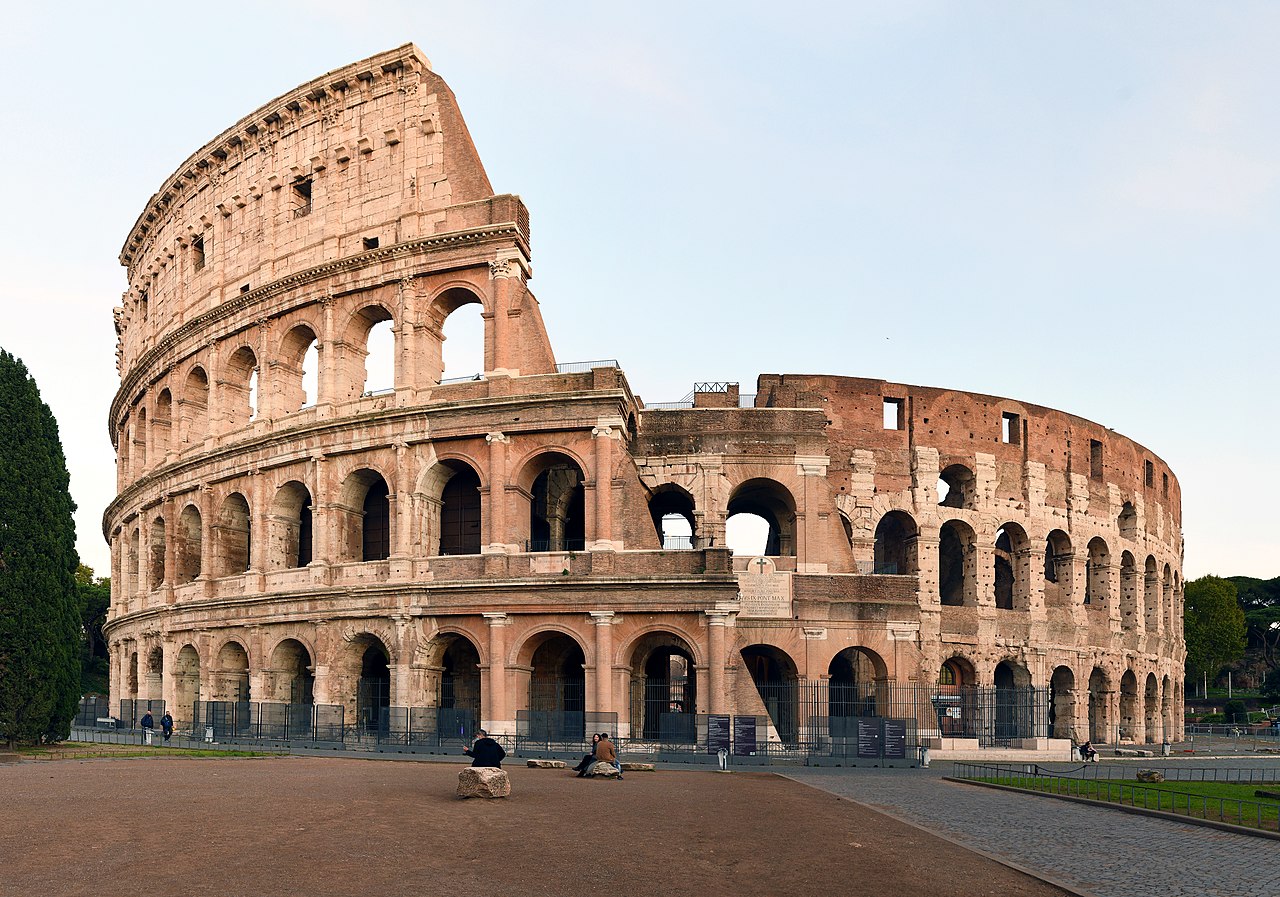
Rome is one of the most visited art cities in the world and, in recent years, increasingly accessible. Many monuments have priority entrances, lifts and routes dedicated to people with reduced mobility. In this guide you'll find the city's main attractions with a note on the accessibility of each, tips for getting around and the information you need to arrive comfortably.
Accessible attractions in Rome
22 attractions: accessibility, site by site
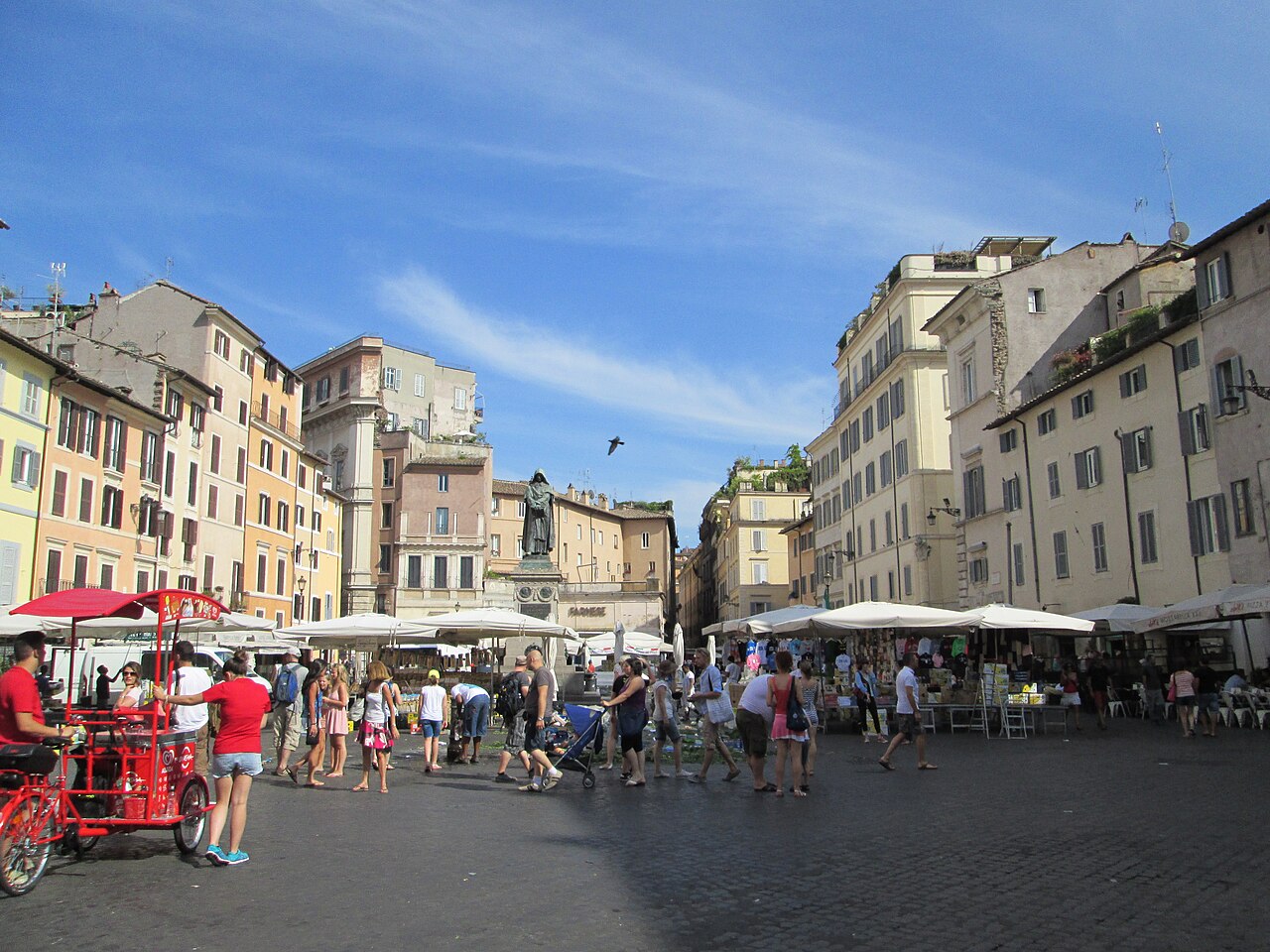
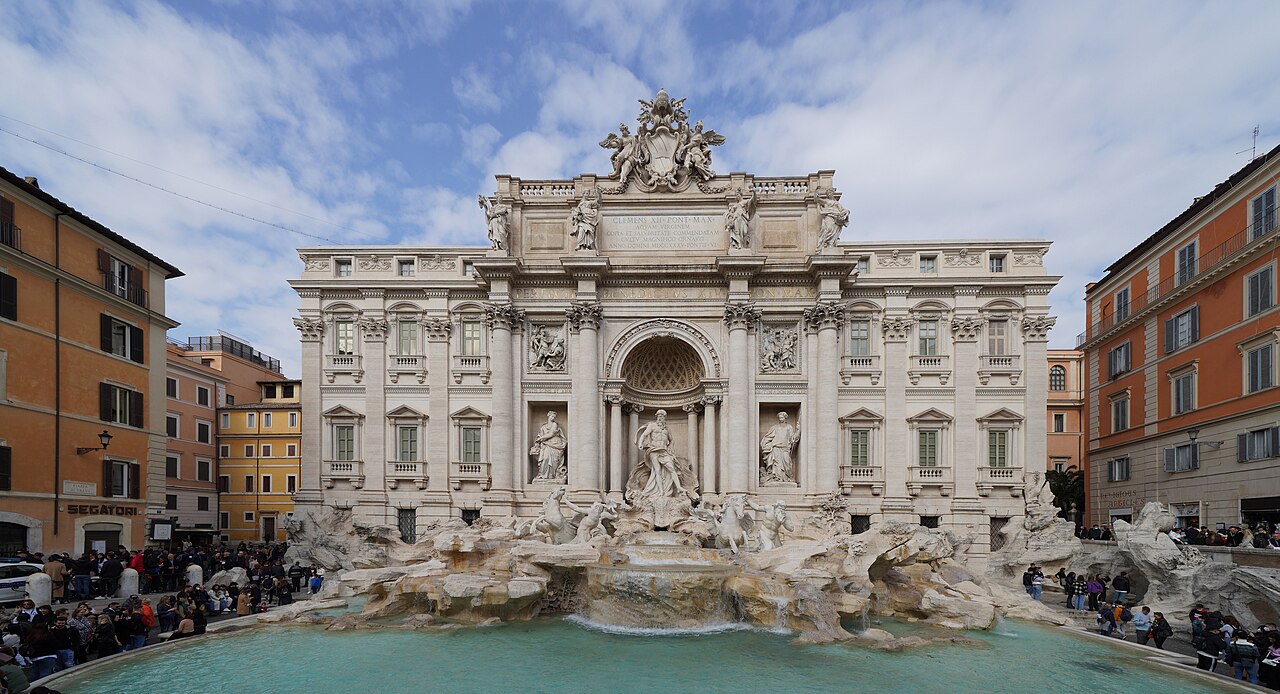
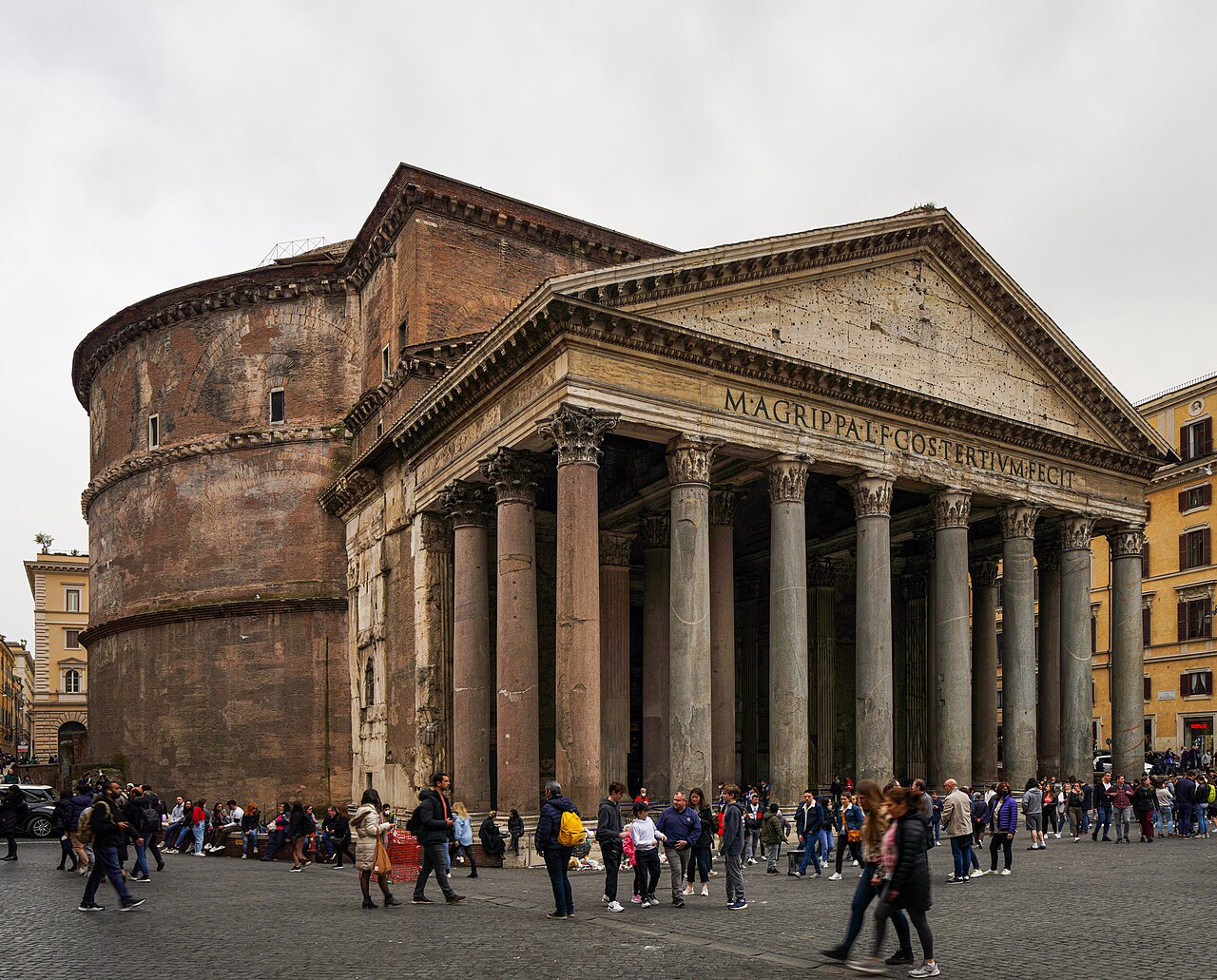
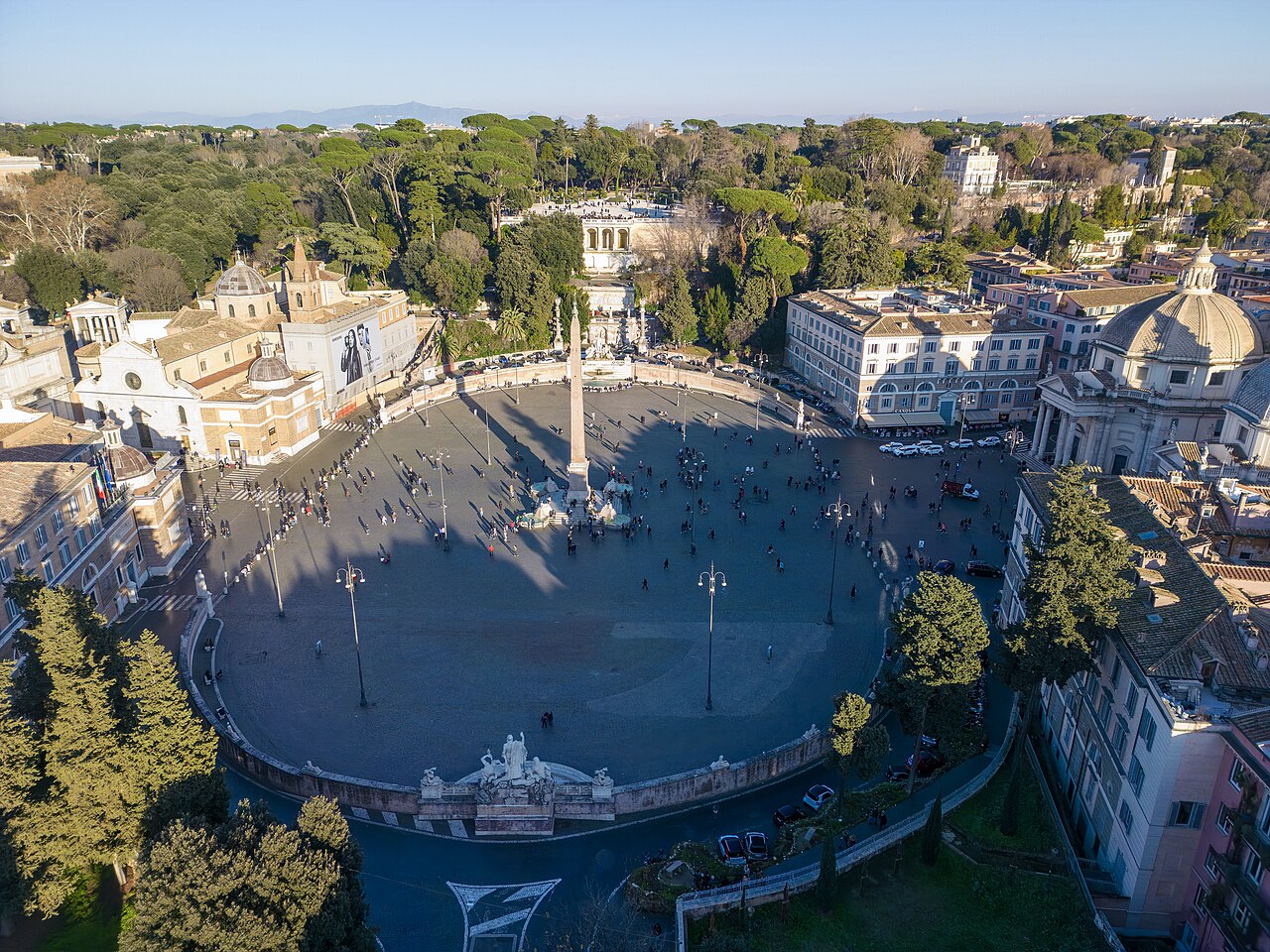
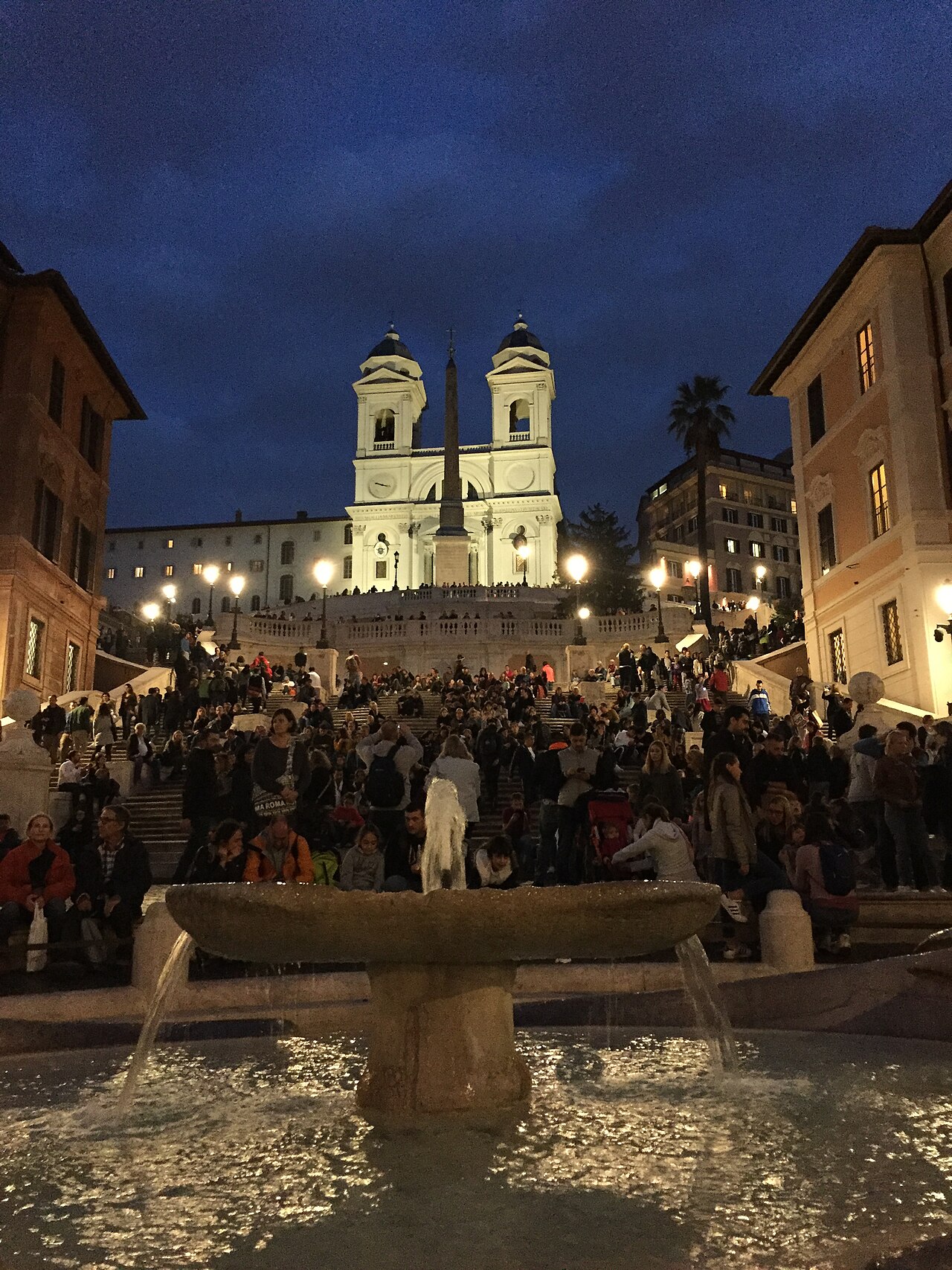
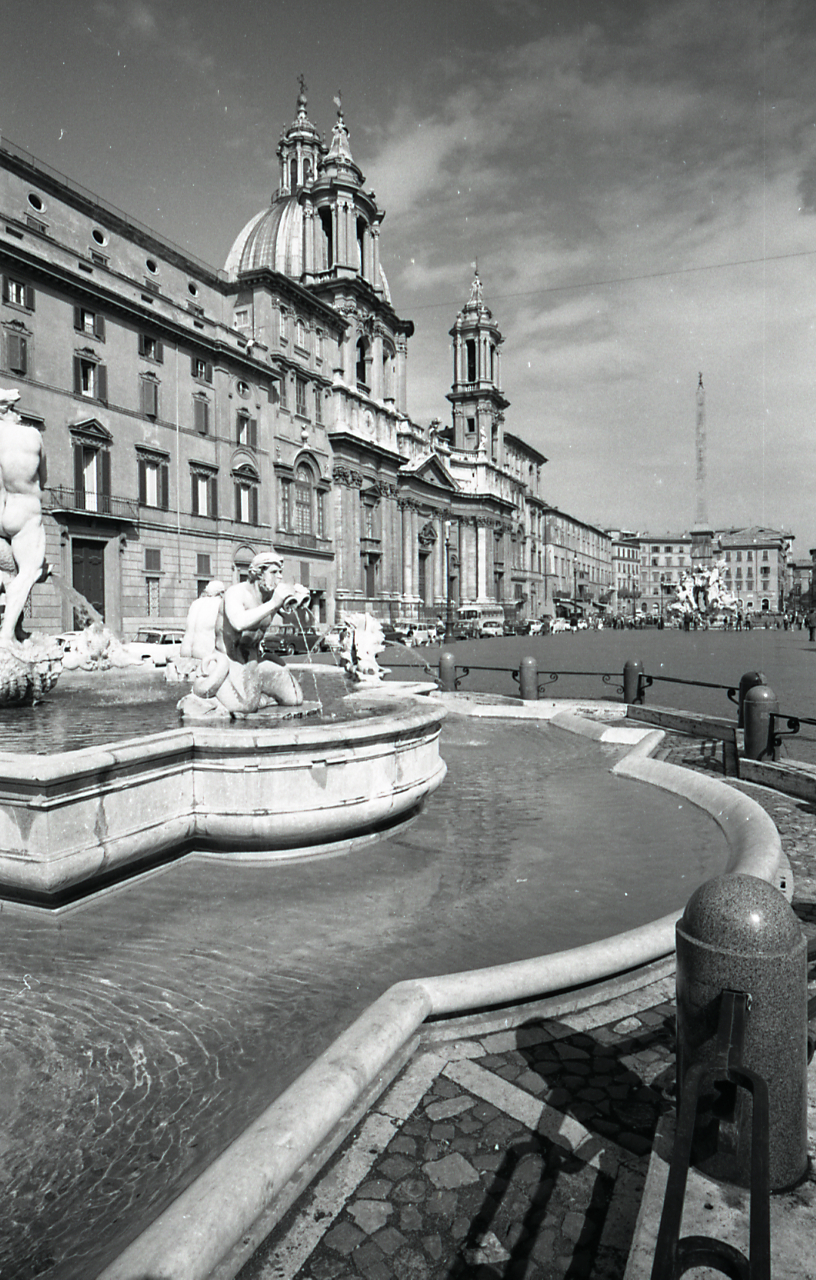
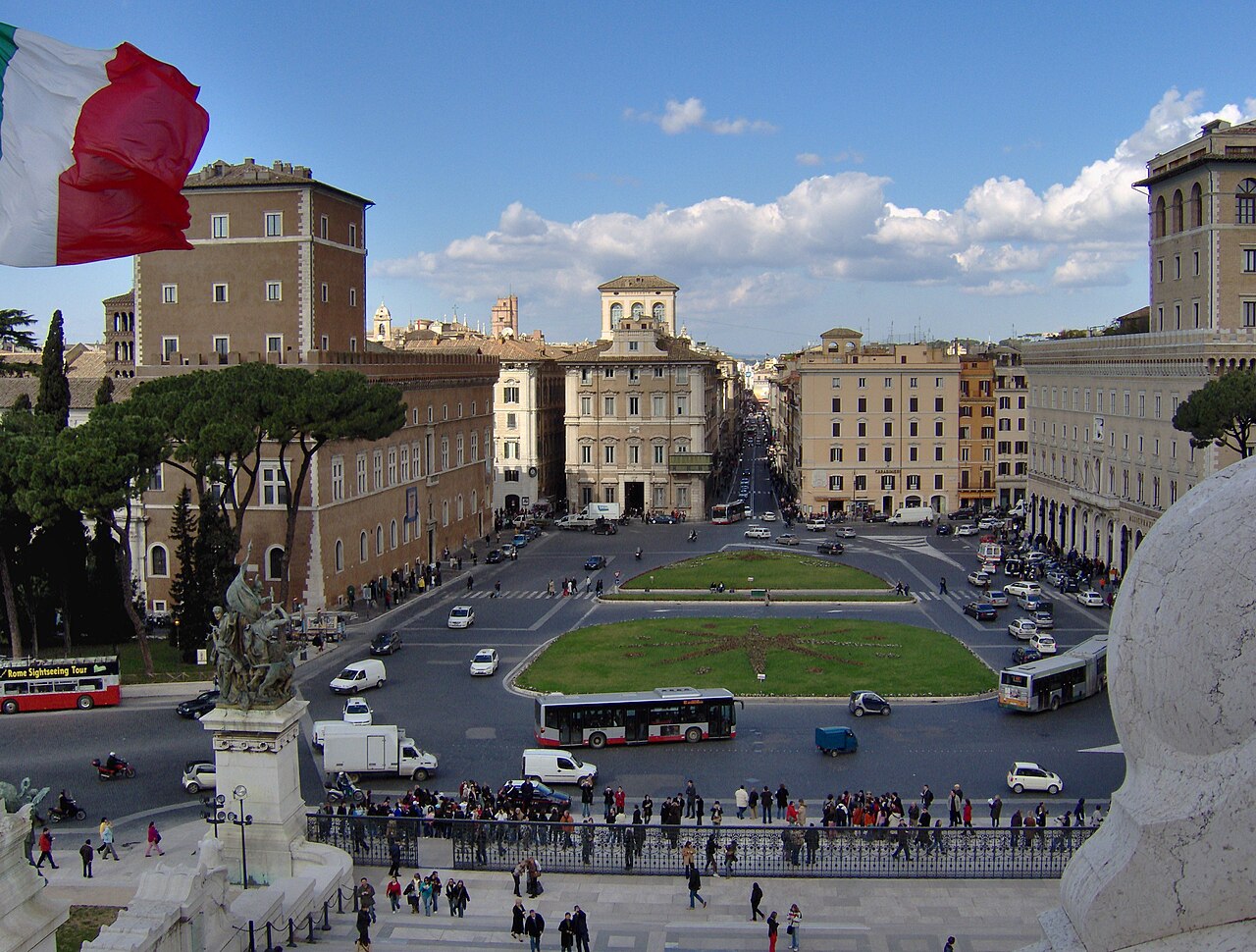
Historic centre · 8
Squares and monuments in the pedestrian heart of Rome, close together and almost always on flat routes.
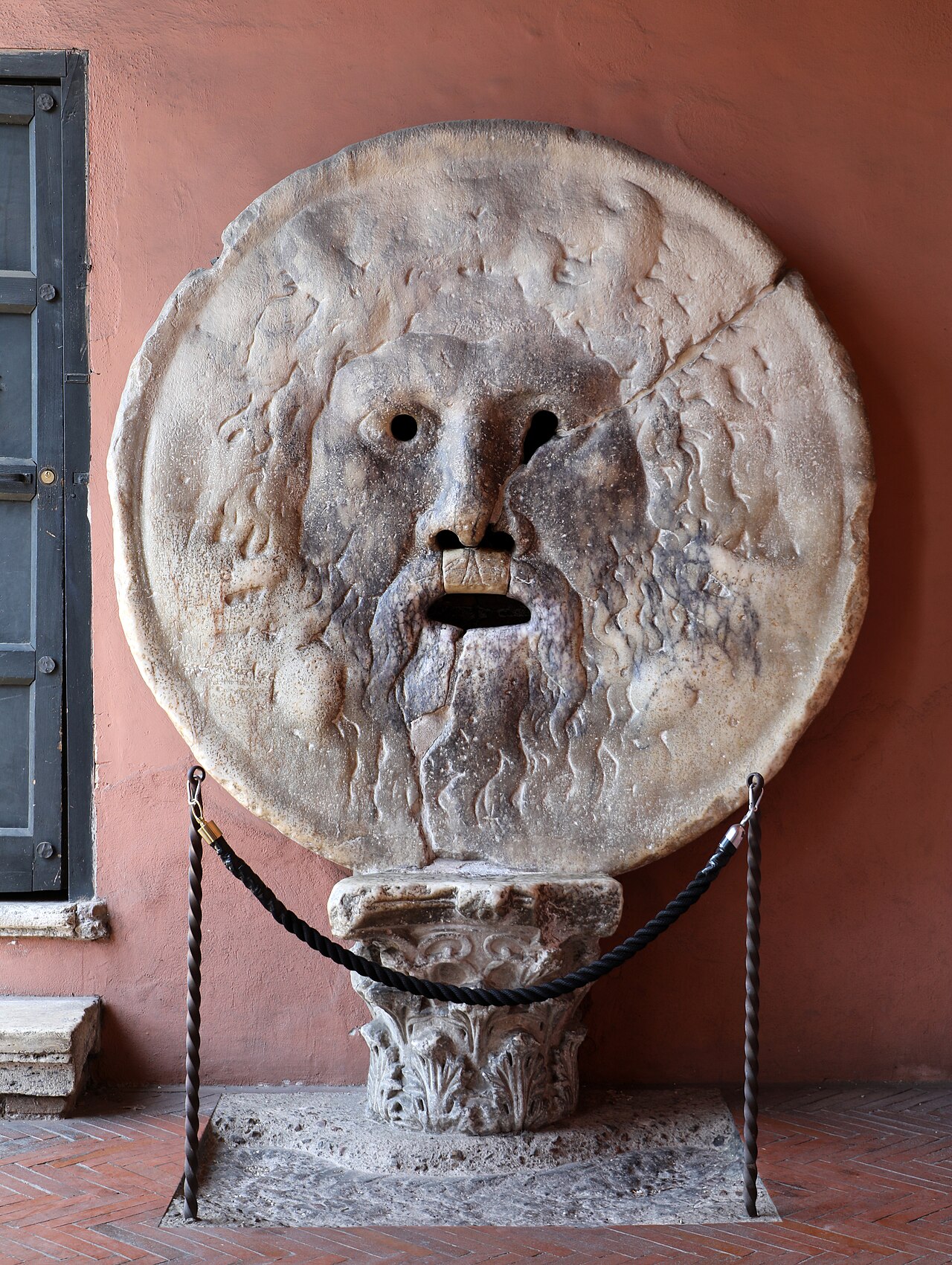
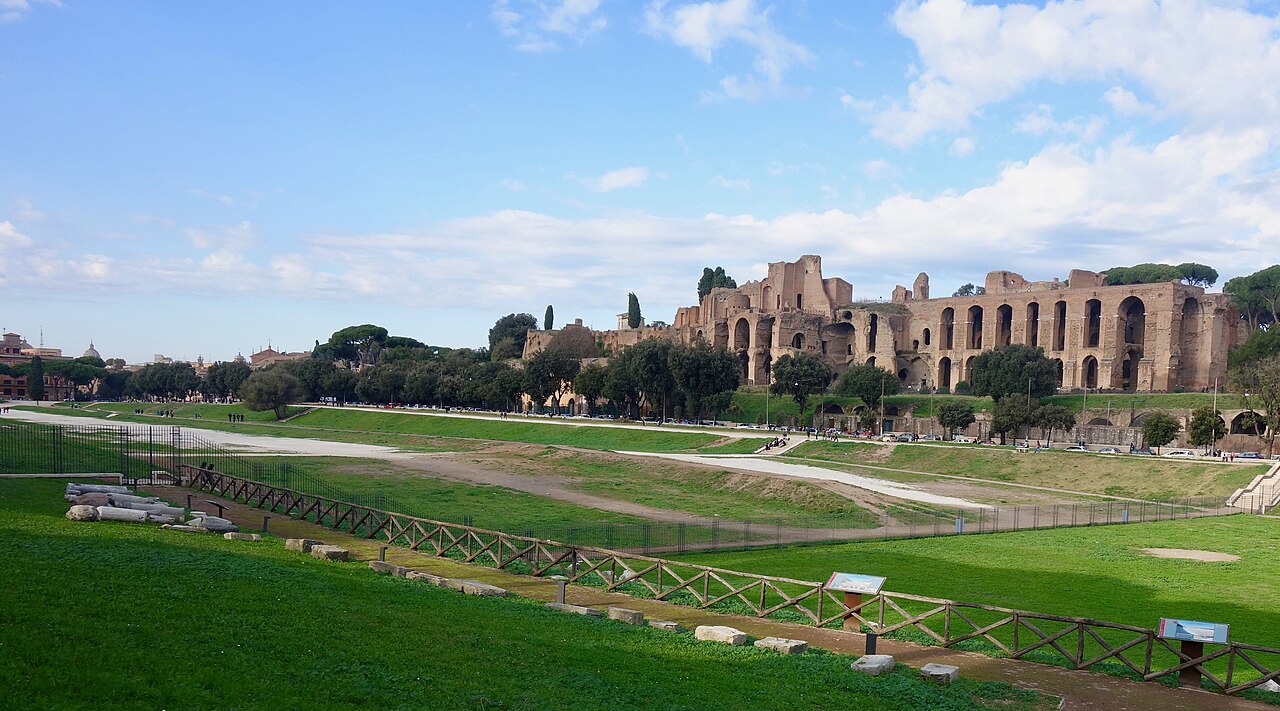
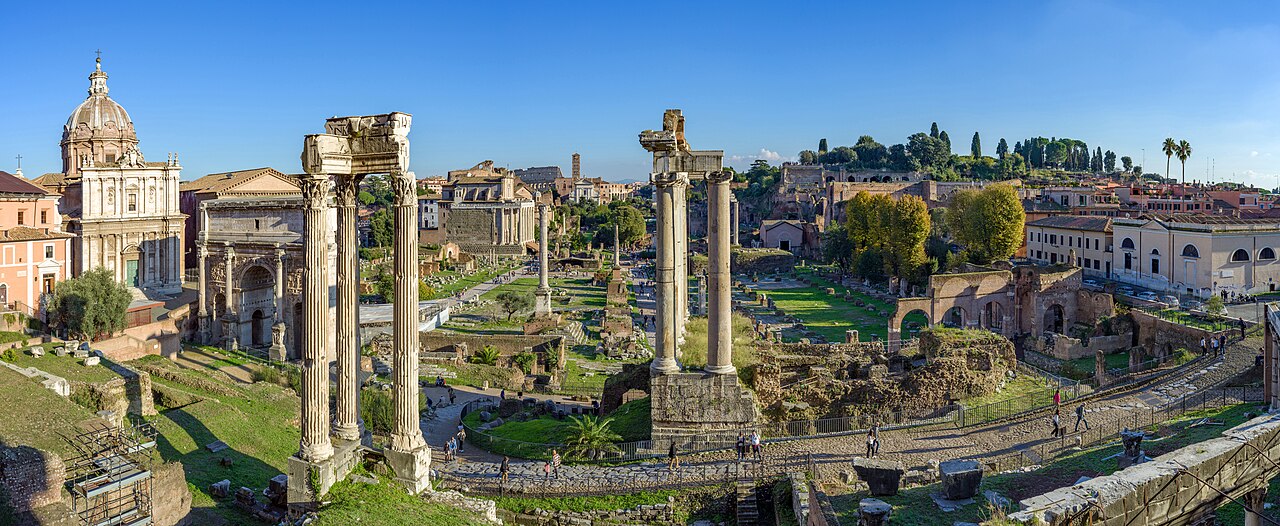
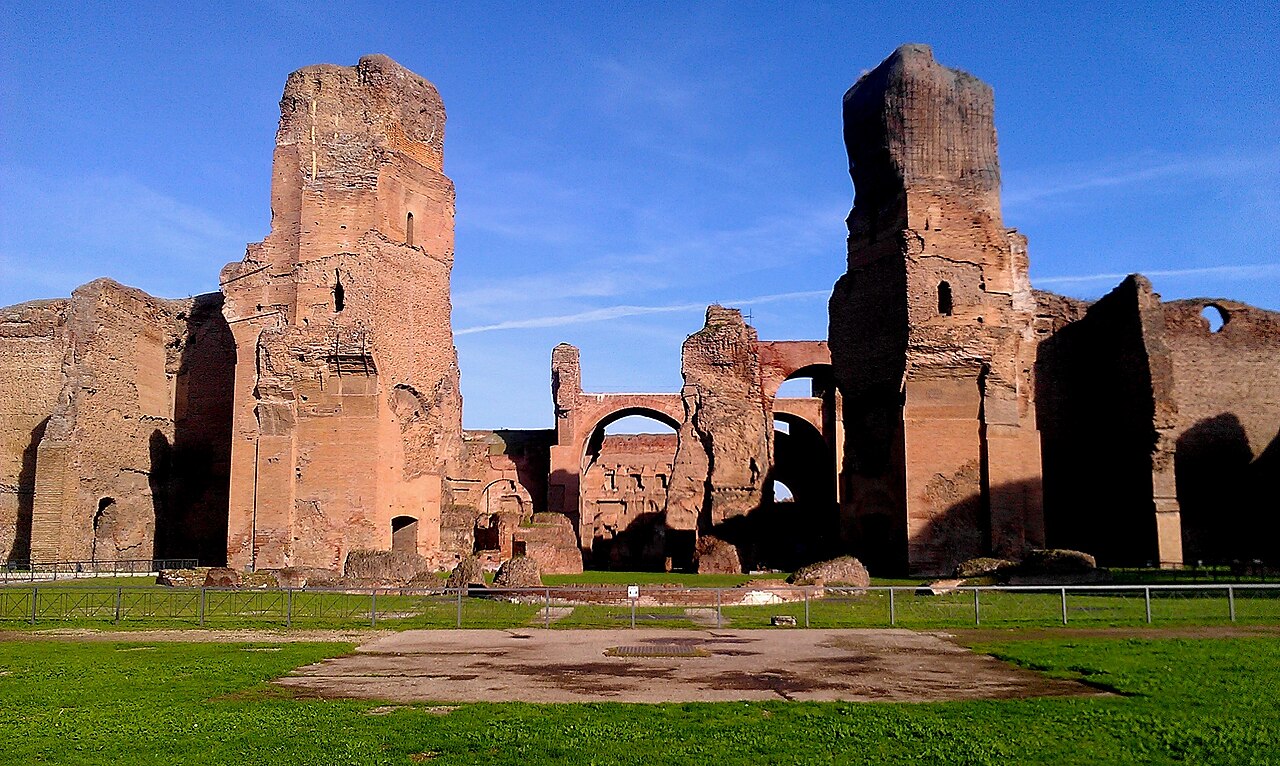
Colosseum and archaeology · 4
The large archaeological area, with routes and lifts dedicated to people with reduced mobility.
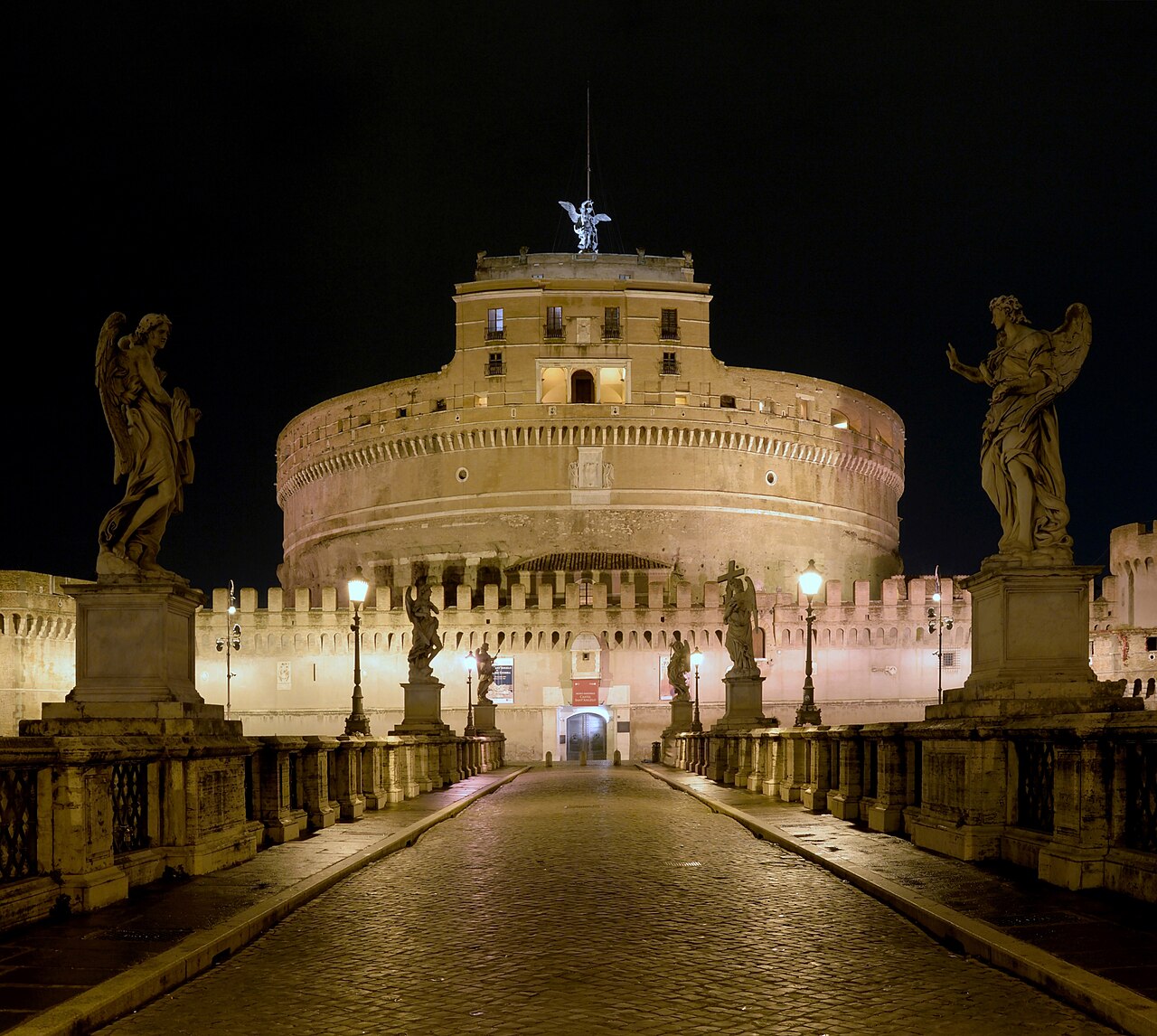
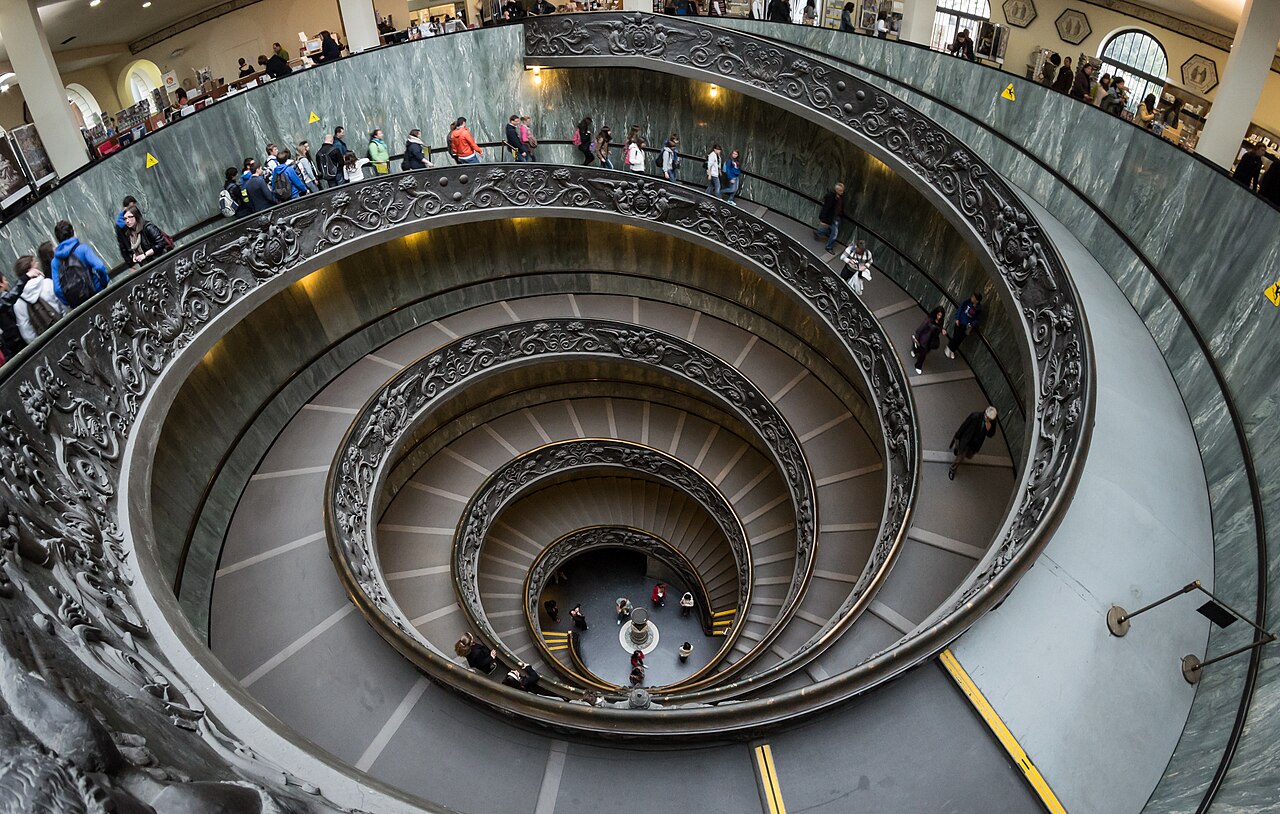
Vatican · 3
Museums, basilica and Castel Sant'Angelo, with accessible entrances and lifts.

Villa Borghese · 2
The large park and the gallery, along flat pathways comfortable even by wheelchair.
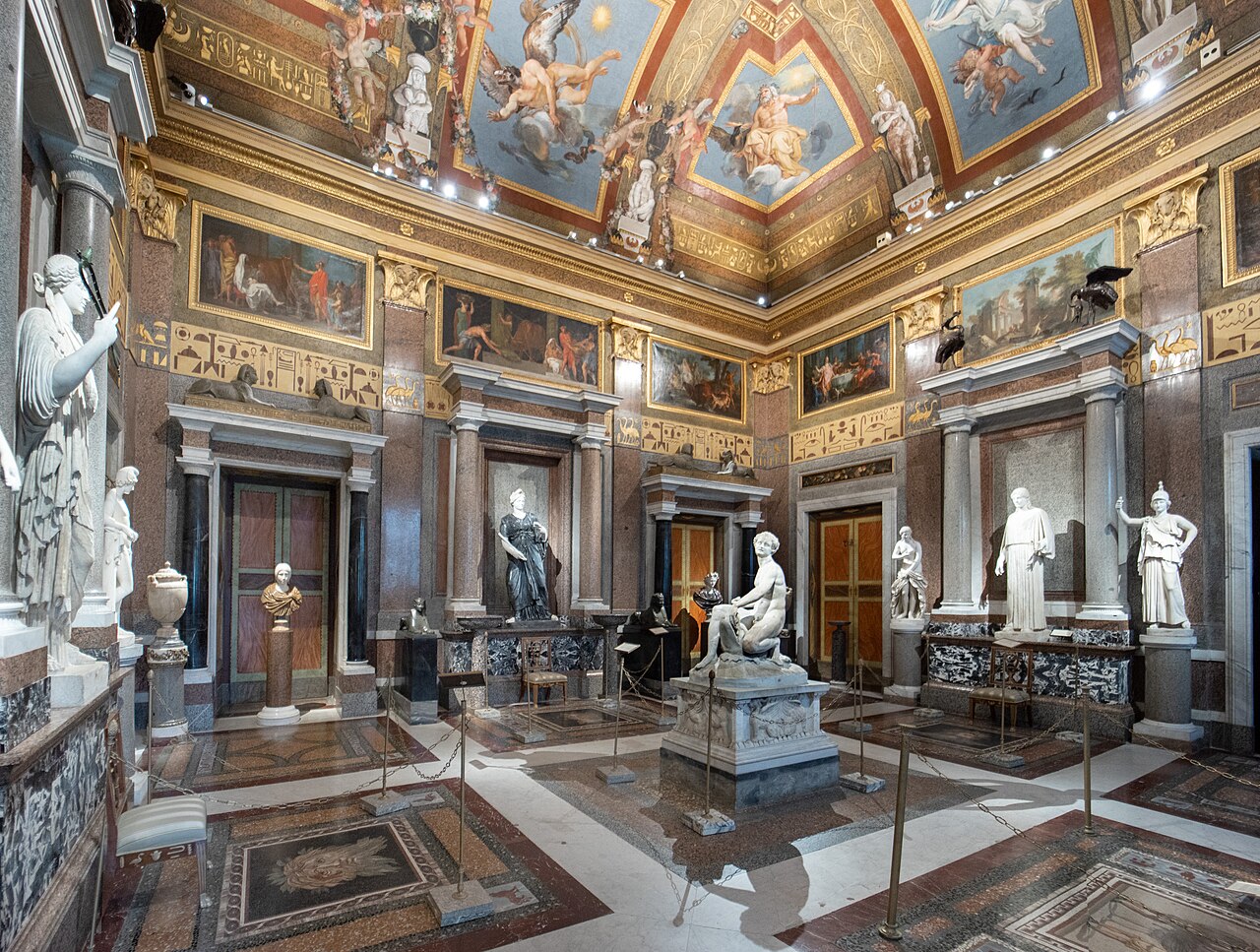
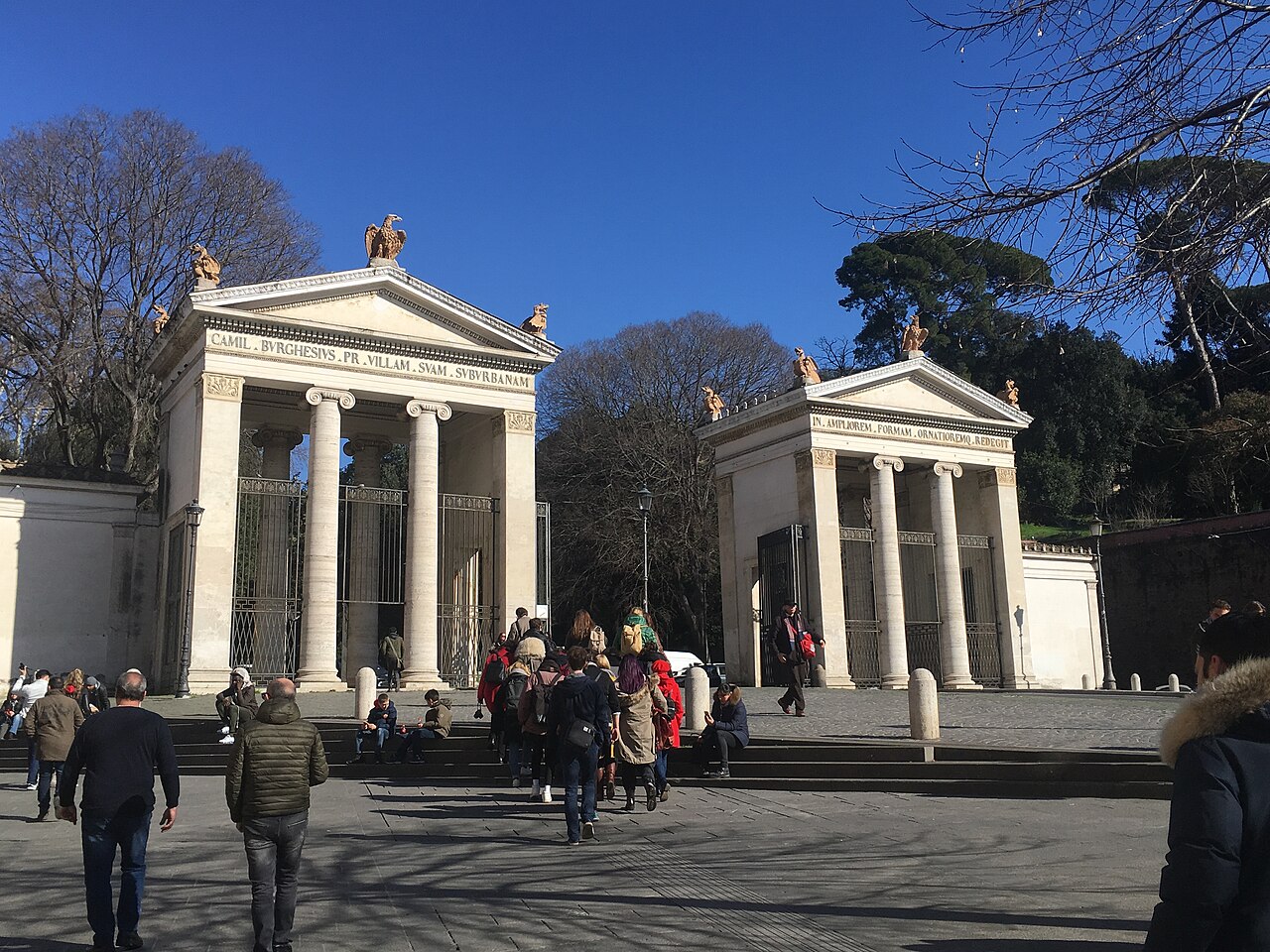
Trastevere and Aventino · 2
Panoramic neighbourhoods and historic gardens, with some slopes or cobbled stretches to consider.
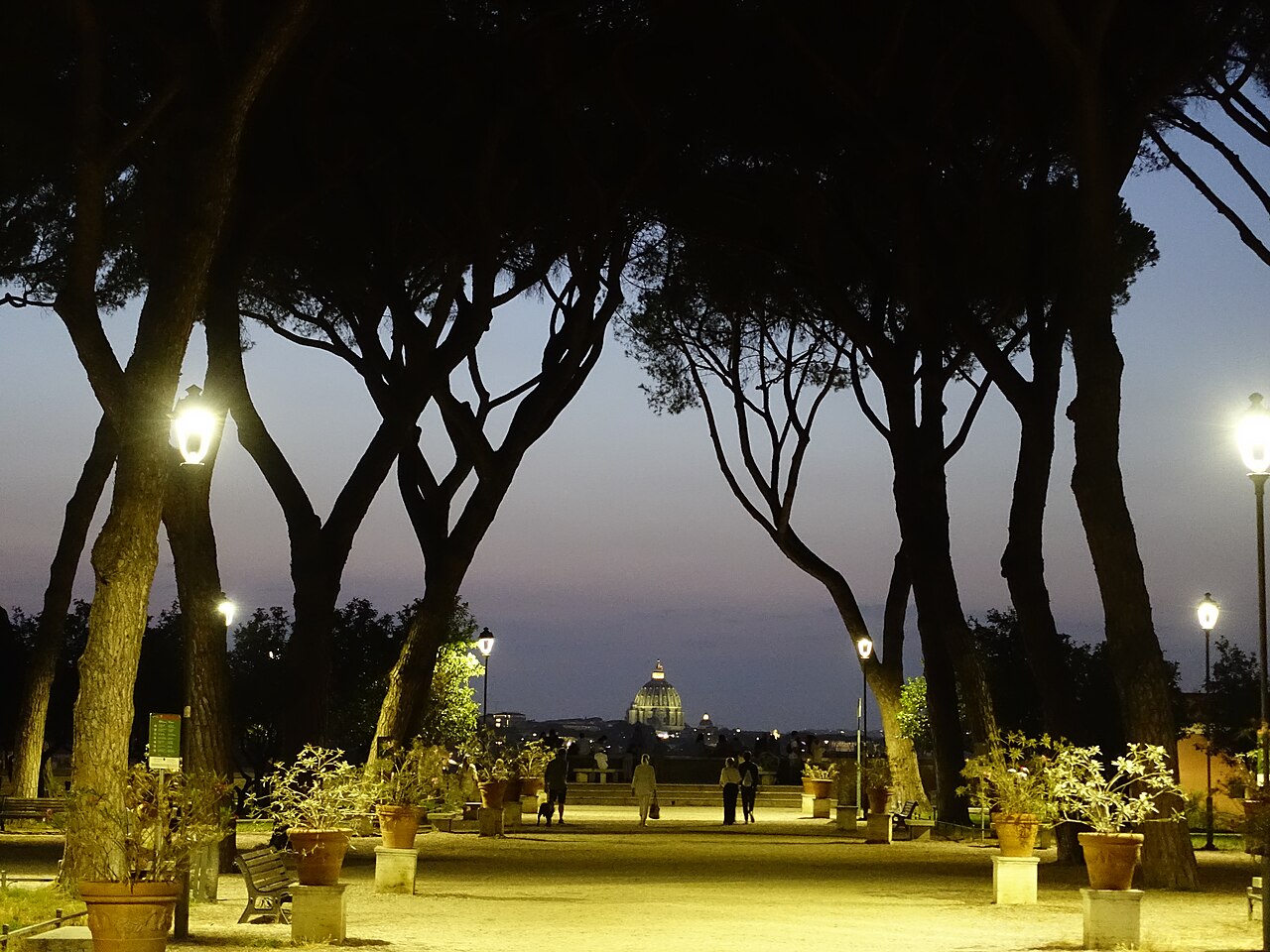
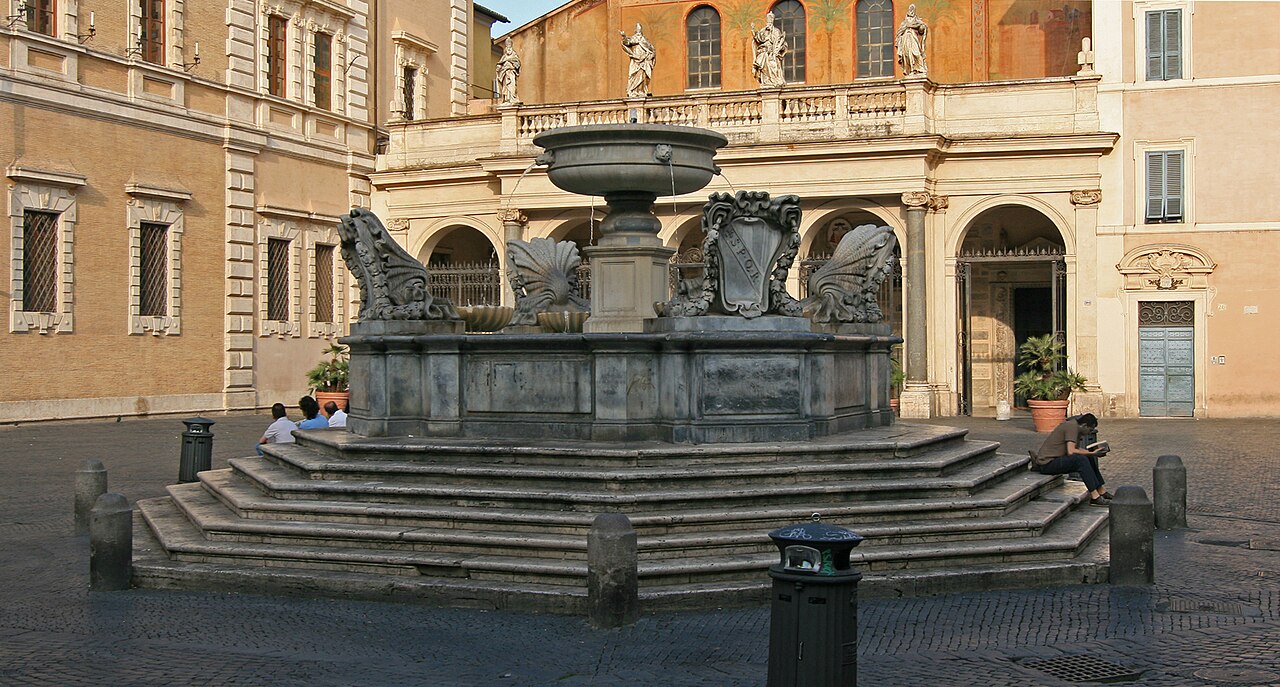
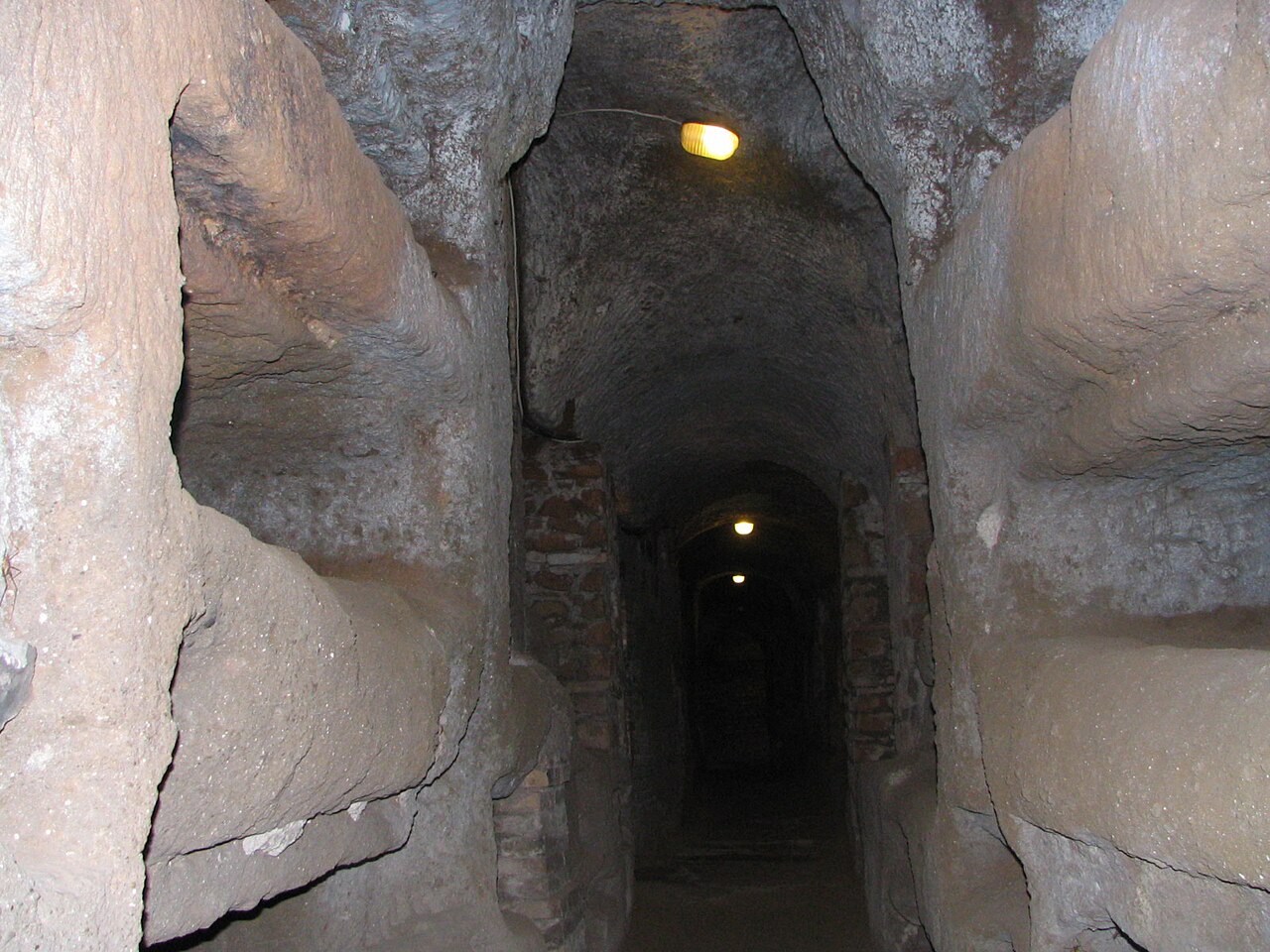
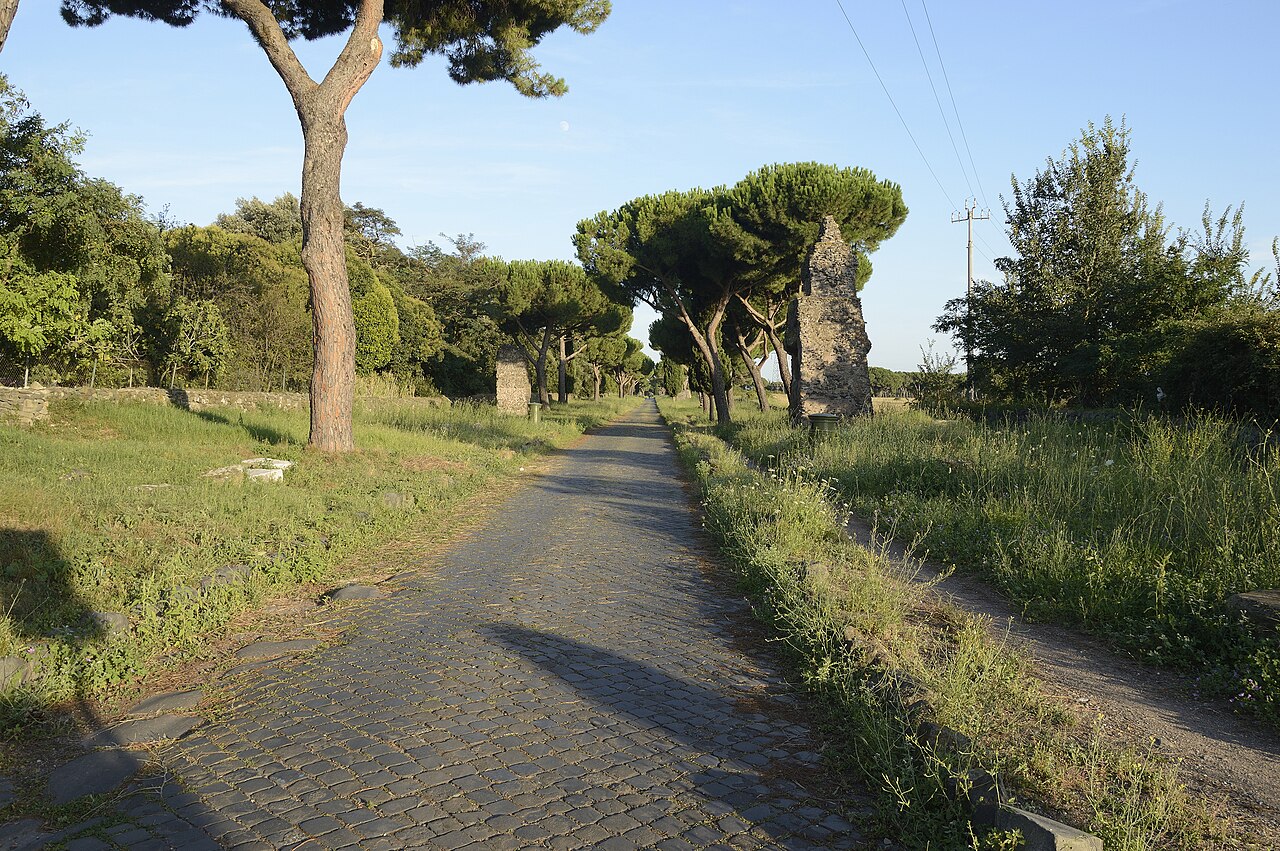
Appia Antica and surroundings · 3
Historic parks and basilicas outside the centre, easy to reach with an accessible transfer.

No attractions found. Try a different search term.
How to get around Rome with reduced mobility
Getting around the city is easier than it seems, by choosing the right transport for each leg of the journey:
- Metro: lines B and C have lifts at almost all stations; line A is only partly accessible. It's the fastest way to cover long distances.
- Buses and trams: most of the fleet is fitted with a ramp and a dedicated wheelchair area. Useful for the historic centre, where the metro doesn't reach.
- Equipped taxis and chauffeur (NCC) services: available on booking for those looking for a direct journey with no waiting.
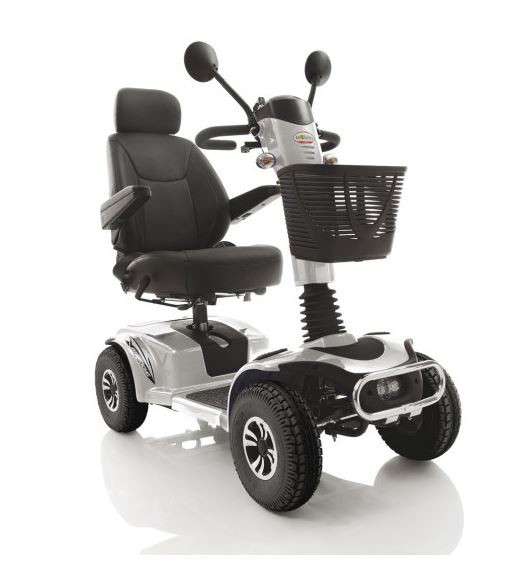
- On foot / by wheelchair: the centre is largely pedestrianised, but with stretches of cobblestones and the odd climb. A power wheelchair or a scooter makes the days far less tiring.
Getting to Rome accessibly
Rome is connected by two airports, two main stations and the port of Civitavecchia for cruises. From each of these points you can reach the centre by accessible transport, or with a door-to-door transfer that takes you straight to your hotel or the attraction, with no changes and in an equipped vehicle.
When to visit Rome
The best times are spring (April–June) and autumn (September–October): mild weather, long days and shorter queues at the entrances. Summer is hot and very crowded. If you travel in these months, favour the early morning hours and book skip-the-line entry in advance, often available with easy access for people with disabilities too.
Frequently asked questions
Is Rome accessible by wheelchair?
How do you get around Rome with reduced mobility?
Are Rome's monuments accessible to people with disabilities?
How do I get from the airports to the centre of Rome in an accessible way?
Can I hire a wheelchair or a scooter to visit Rome?
When is the best time to visit Rome with reduced mobility?
Everything for an accessible visit
Accommodation, mobility aids and transport all handled directly by one provider, with no intermediaries.